











Getting started
Starting the Bible at thirty
For people who did not grow up with it, do not know the references, and are quietly embarrassed about both.
AI Bible tutor
Pick a path. Practise a few minutes a day. Your AI tutor keeps you going.
Open now
Five units, 28 lessons, one story from creation to the return from exile. Unit 1 is free today; the rest open with early access.
The tutor for the days between Sundays


Trinity
Before I explain verse 3, who is speaking here? And who are they speaking to?
How a lesson works
Every lesson follows the same rhythm, so the habit is easy to keep. The first five are free, with no account and no email.
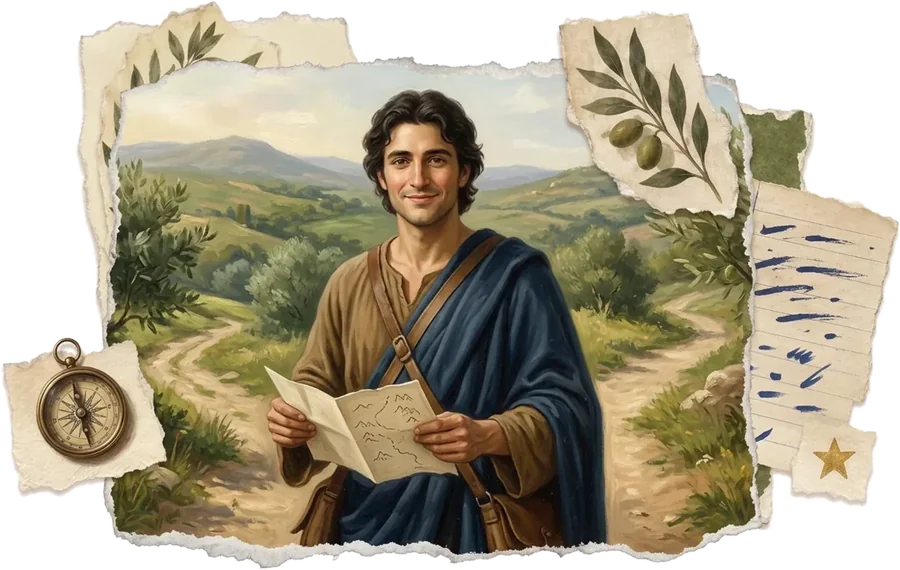
Start with the Old Testament, or a single book or hard question.

Each lesson opens a short passage in the World English Bible.
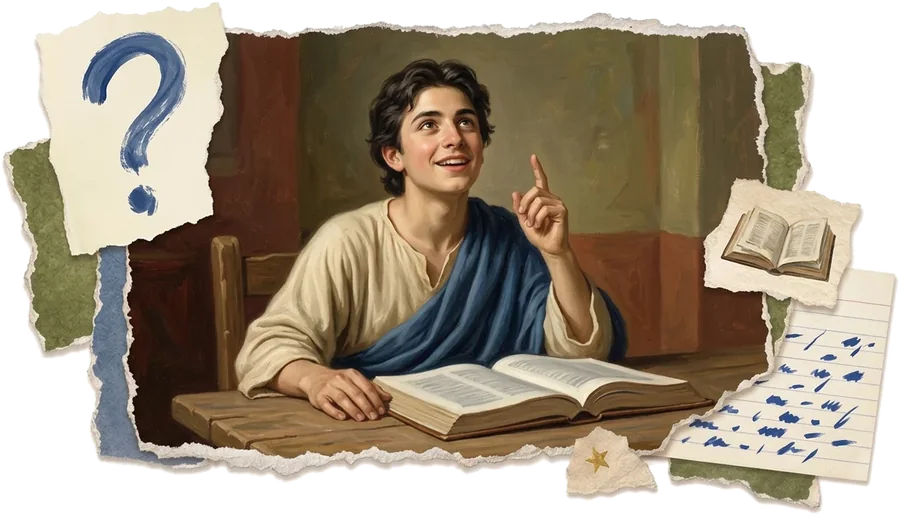
Before Trinity explains, it asks. You notice more when you look first.

Each lesson ends with three takeaways, and the next lesson builds on them.
A tutor that shows its work
Most chatbots just give you an answer. Trinity shows the verse behind every answer, so you can check it yourself.
Questions before answers
Trinity asks what you noticed before it explains anything. It’s slower than being told, and it’s how a chapter actually sticks.
Built around daily practice
Trinity turns the Bible into short paths and a few minutes of practice a day. Small steps, every day, add up.
Features
Ask anything, follow a thread through the whole Bible, and come back tomorrow to a tutor who remembers where you left off.
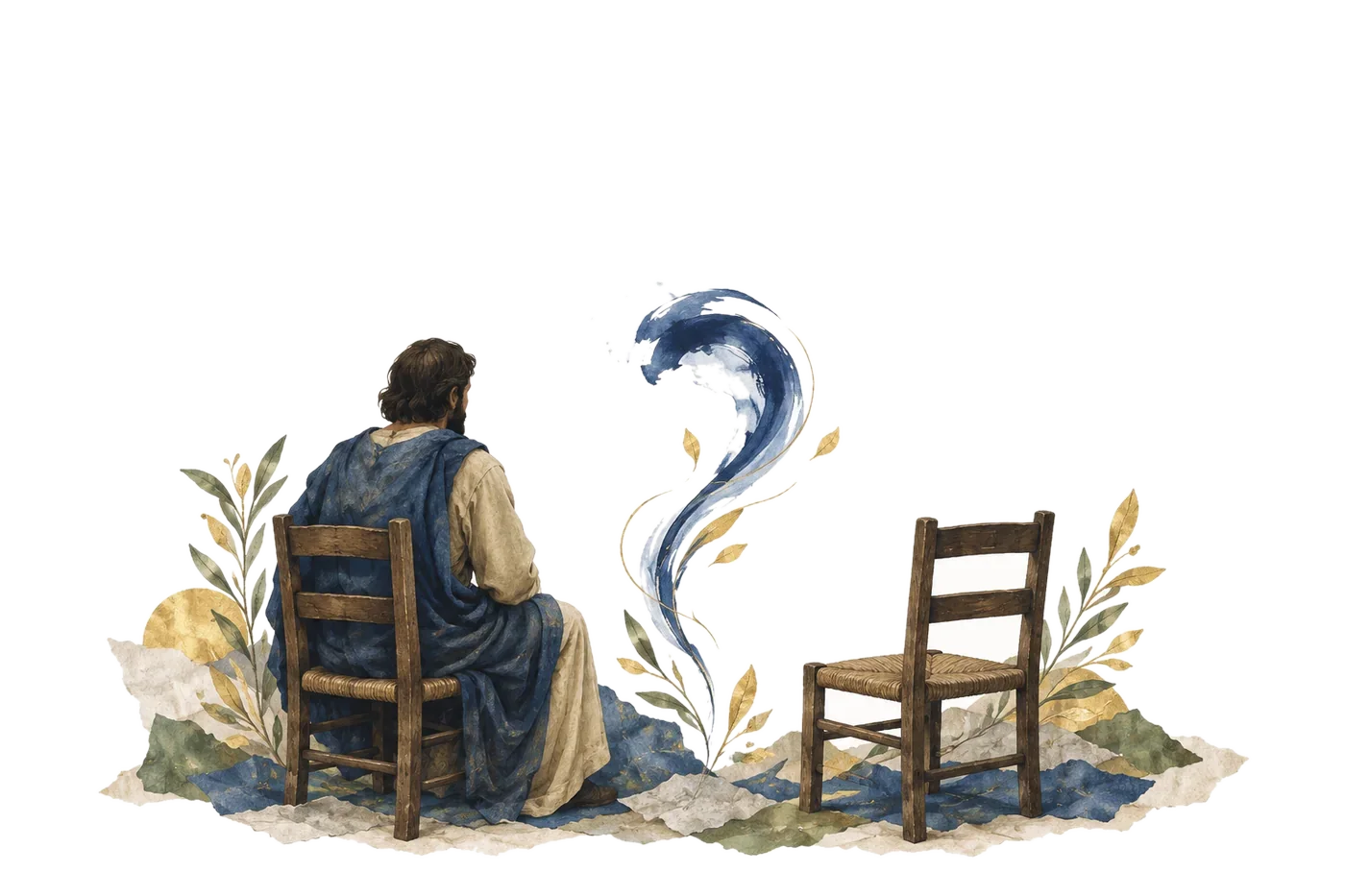
Every lesson asks before it tells. A few quick questions check what you noticed, then Trinity explains the answer.

Tap a word to see the Greek or Hebrew behind it. See what it can mean and where else it shows up.

Pick one image, promise, or line. Follow it from Genesis through the prophets into the Gospels.

Maps, timelines, and who wrote it to whom. Get the background the first readers already knew.
Walk through a whole book, Genesis to Revelation, or take a short theme like the Beatitudes or the Lord's Prayer.

Ask the question you'd never ask out loud. Trinity takes it seriously, no judgment.

Trinity keeps notes on your questions and where you stopped. Next time, it starts right there.
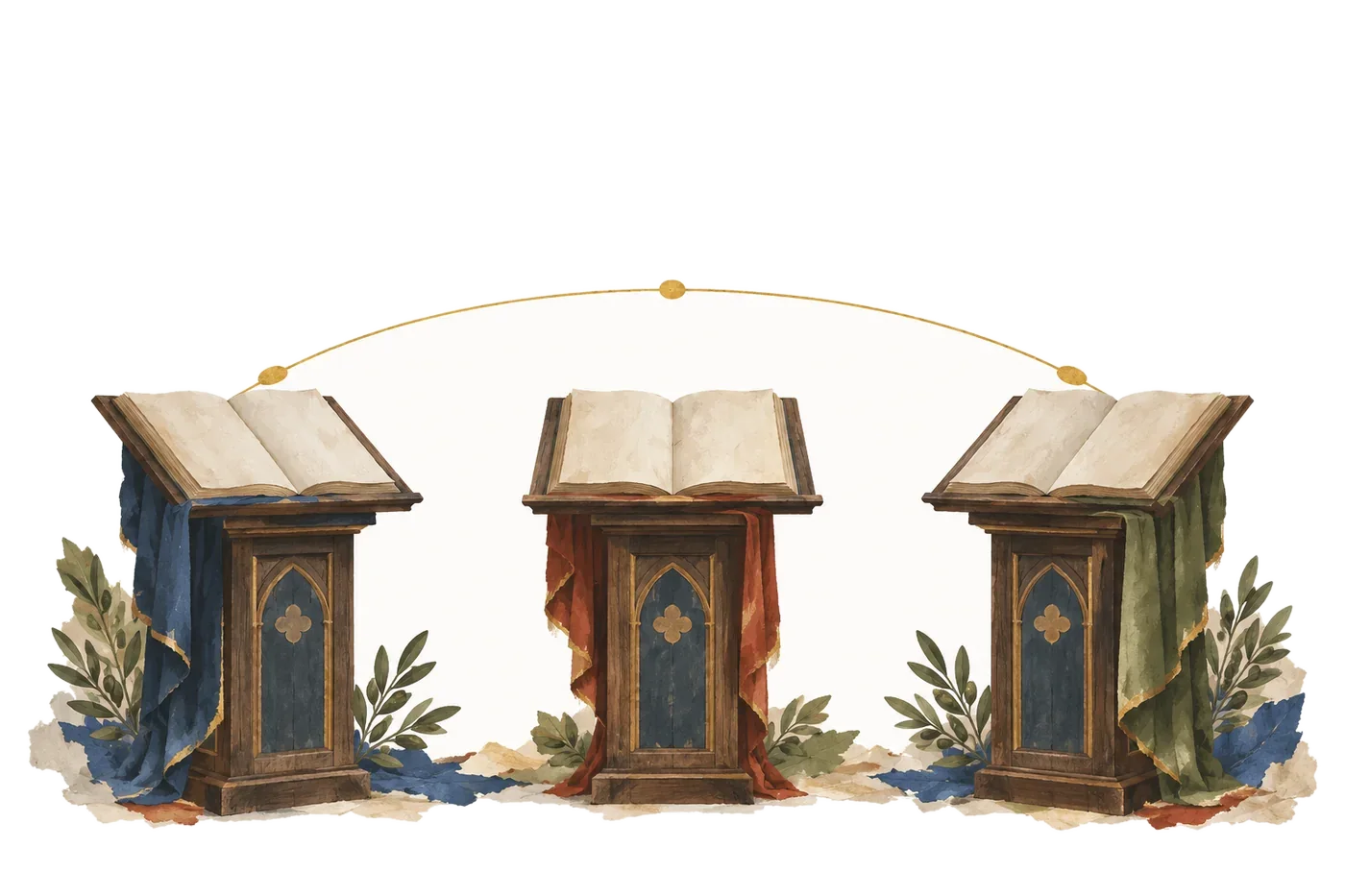
On baptism, the end times, and more, you get the main views and their best arguments. Disputed questions are labelled as disputed.

Trinity is for

Ask what a word means and nobody raises an eyebrow. Grace, covenant, atonement: explained like a friend would.

Read closely without being asked where you stand. You don't need any other reason to be here.

Suffering, hell, the violence in the Old Testament. Get what Christians actually argue, weak spots included.
Trinity is for

No more opening at random. Pick a path and go a few minutes at a time.
What's a psalm? Who was Paul? Ask it, and get a straight answer.

Trinity is study help. It isn't a church, a pastor, or a counsellor.

Trinity is for

See what a word can mean and where else it shows up. Deep enough to help, honest about what it can't settle.

Follow a theme from Exodus through Isaiah into Revelation. See what each writer does with it.

Every answer is cited by book, chapter, and verse, so it sits right next to the Bible and notes you already own.
Written examples, not real reviews. Real ones once Trinity launches.
I've led a small group for six years, and honestly I was mostly repeating Sunday's sermon. Trinity kept asking what the passage actually said before it would tell me anything. Our Thursday nights are better for it.
I was baptized in March and still couldn't find anything in the Bible. I asked what a psalm even is, which felt embarrassing to type. It showed me Psalm 13, a man complaining to God. I didn't know that was allowed.
I mostly use it for word study. When I'm stuck on a Greek term, it walks me through what it can mean without pretending the question is settled. It's told me "scholars disagree here" more than once, which I respect.
Forty years in church and I'd never finished the Bible. I'm in Numbers now. Not thrilling, but I'm still going. Most days I read it before the kettle's boiled.
I'm not sure I believe any of it yet. I came in wanting to argue, and I still do. It argues back properly. It names the best objection before I can, and it doesn't sulk when I won't concede.
I ask it what a fifteen-year-old would really ask about a chapter. It gives me the awkward questions, not the tidy ones. Twice now it's sent me off to study properly, which I suppose is the point.
I read on my phone during my eleven-minute break, and it never tries to make it an hour. Last week it caught that I'd misread who was speaking in Job. It was one of the friends, not God. Changed the whole chapter for me.
I work in two languages, so I'm fussy about words. I asked why one Hebrew word is lovingkindness in one place and steadfast love in another. I got a real answer about hesed, not a devotional paragraph.
I worried it would hand my people easy answers to hard chapters. It mostly doesn't. Someone asked it about hell, and it laid out what Christians have held and said plainly which parts are disputed. I can work with that.
I sit with dying people, so I don't have much patience for cheerfulness. I'd been avoiding the lament psalms. It walked me through Psalm 88, which ends in the dark and stays there, and it didn't rush to fix it.
I'd abandoned three reading plans before this one. I went quiet for a while, came back, and it just carried on. No lecture. I'm in Isaiah now.
FAQ
No. Trinity usually asks what you noticed before it explains, and sends you back to the passage instead of summarising it. Ask a direct question and you'll still get a direct answer.
Trinity quotes the World English Bible, a modern translation that's free for anyone to use. Every verse is cited by book, chapter, and verse, so you can read along in the Bible you already own.
No. Trinity helps with the chapter you got stuck on and the question you didn't want to ask out loud. It isn't a church, a pastor, or a counsellor, and it won't pretend to be.
It says so. On questions like baptism or the end times, Trinity lays out the main views and the best case for each. It won't pick a winner for you.
Trinity is built for adults and older teens. It doesn't skip the hard chapters. Parents can use it to prep before reading with their kids.
Unit 1 of Old Testament Study is free to take right now, with no account and no email. When the app opens there will be a free tier for daily reading and questions, and the Bible text itself will never sit behind a paywall. We'll share full pricing before launch.
No. The free lessons run in your browser and keep your progress on this device. Leave your email only if you want to hear the day the rest of the path opens.
You're welcome here, curious or sceptical. Trinity tells you what the text says, what Christians believe, and where the hard parts are. No sales pitch at the end.
It's built not to. Verses come straight from a fixed Bible text, always with the reference. If Trinity can't find one, it says so. Spot a wrong citation? Tell us and we'll fix it.
Your turn
Start with Genesis today. The first five lessons are free, about five minutes each, and no email is needed.
Try a free lesson
Blog
Our latest notes on reading the Bible well.
For people who did not grow up with it, do not know the references, and are quietly embarrassed about both.
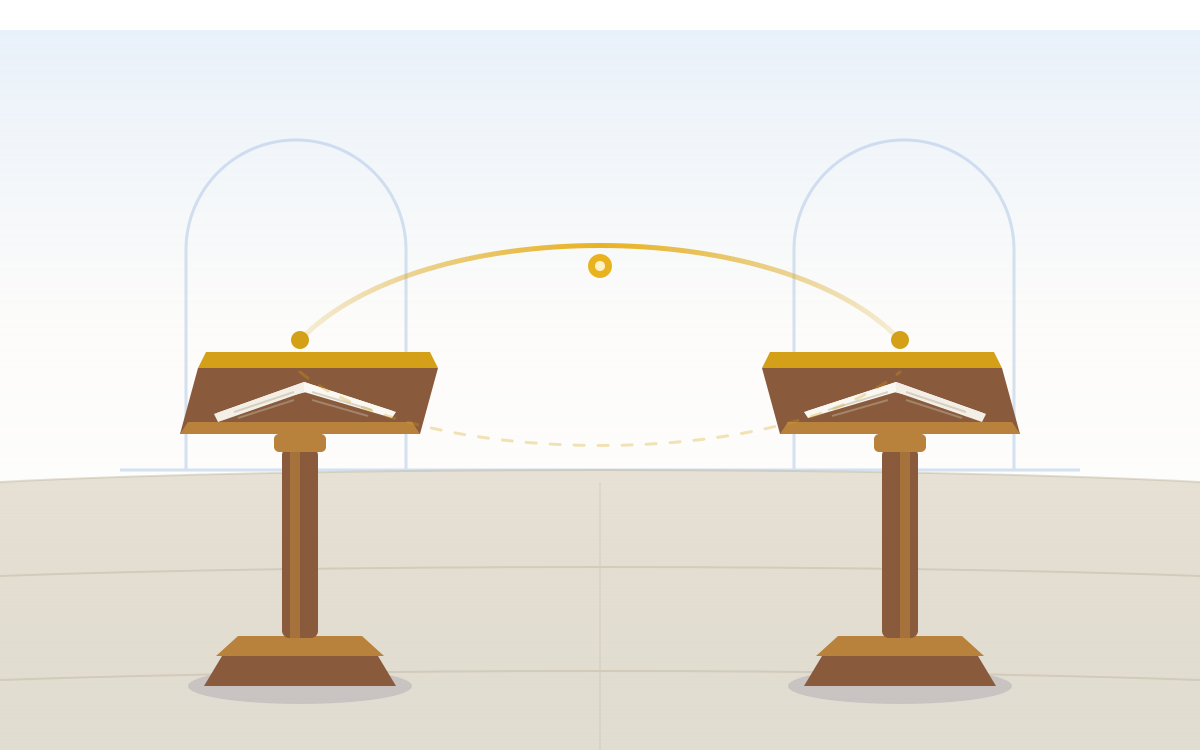
Baptism, the end times, church government, the gifts. Trinity will not resolve these for you, and we want to be clear about why.
Reading the Bible in a year is a fine project and a poor habit. Here is the argument for eleven minutes and one chapter.